Landscape Gardening in Sudbury
If you are looking for Landscape Gardening in Sudbury, you are probably after more than a neat lawn and a few plants. You want an outdoor space that suits the way you live or work, looks good throughout the year, and is practical enough for Sudbury’s mix of weather, property styles, and everyday use. Whether your garden is a compact town plot, a larger family garden, a courtyard, or a commercial frontage, the right landscaping can change how the space feels and how often you use it.
Local landscape gardening is about making informed choices for real conditions. In Sudbury, that can mean dealing with clay soil in some locations, improving drainage after wet spells, choosing planting that handles seasonal changes, and planning access carefully where side entrances are narrow or parking is limited. A well-planned garden should not only look attractive on completion; it should also be easier to maintain, more functional, and better suited to your property over time.
From full garden redesigns to planting schemes, turfing, patios, borders, and ongoing maintenance, a local team can help you shape a space that feels purposeful and personal. If you are comparing options, thinking about what is included, or wondering how much work your outdoor space really needs, this page explains what landscape gardening services in Sudbury can involve and how to decide what is right for your property.
Why Landscape Gardening Matters for Sudbury Properties

Sudbury has a wide mix of homes and business premises, from older character properties and terraces to newer developments, village-edge homes, rental properties, and commercial sites. That variety means there is no one-size-fits-all approach to the outdoors. The best results come from landscaping that respects the style of the property, the way the area is used, and the practical limits of the site.
For homeowners, landscape gardening Sudbury services can help create a garden that is easier to enjoy every day. A usable seating area, well-defined borders, properly levelled ground, and planted areas that remain attractive through the seasons can make a huge difference. If the garden currently feels neglected, awkward, too shaded, too muddy, or difficult to maintain, professional planning can turn it into a better-use space without losing character.
For businesses, landlords, schools, and care-related properties, landscaping is just as important. A tidy frontage, safe paths, well-managed planting, and easy-access outdoor areas can support a better first impression and reduce day-to-day upkeep. Commercial landscape gardening also needs to balance appearance with durability, which is why local knowledge is valuable when selecting materials, planting, and maintenance schedules.
What Landscape Gardening Services Can Include
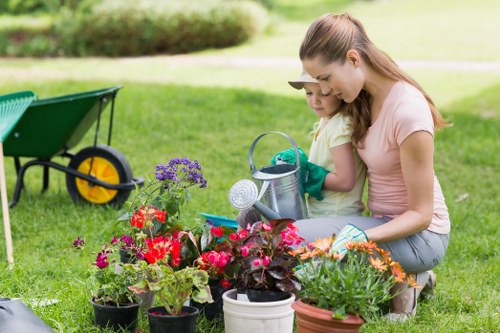
Every property is different, but most landscape gardening projects begin with a clear understanding of how the space should work. Some customers want a full transformation, while others only need targeted improvements such as new borders, a better lawn, or a more practical patio layout. In either case, a good landscaping service should be flexible, clear, and focused on long-term value.
Typical services may include soft landscaping and hard landscaping. Soft landscaping covers living elements such as turf, planting beds, shrubs, trees, soil improvement, mulching, and seasonal planting. Hard landscaping refers to constructed features such as paving, edging, steps, retaining features, decorative aggregates, paths, and seating areas. The right balance of both creates a garden that looks intentional and functions well.
A local team working on landscape gardening in Sudbury may also help with drainage improvements, fence and boundary coordination, gravel areas, low-maintenance planting, child-friendly garden layouts, and pet-friendly designs. Where access is tight or vehicles cannot be parked close to the property, planning the delivery of materials and waste removal becomes especially important. Good preparation helps keep disruption lower and the project moving smoothly.
Types of Outdoor Projects We Commonly Support
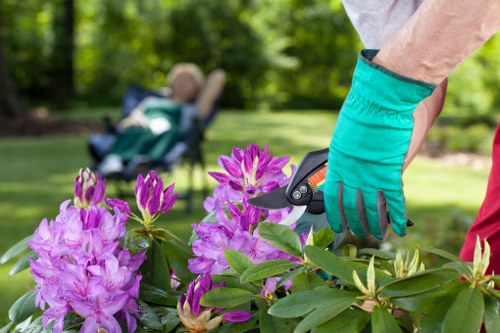
Some clients come to landscaping because their garden has become too difficult to manage. Others want to improve kerb appeal before selling, modernise an outdated layout, or create a space that feels usable in spring and summer. Whatever the reason, the most effective projects start with a realistic plan and a clear outcome.
Common project types in Sudbury include front garden redesigns, back garden makeovers, side-return improvements, planting refreshes, new lawns, raised beds, and paved seating zones. We also see demand from homeowners who want better privacy, smarter screening, and gardens that are easier to water and maintain during dry spells. For properties with mature trees or uneven ground, careful design can make the garden more functional while preserving what already works.
Many customers also ask for low-maintenance landscaping. This does not have to mean plain or minimal. It often means using the right mix of planting, mulch, paving, gravel, edging, and structured design so the garden stays attractive without constant work. A well-planned low-maintenance garden can still feel welcoming, seasonal, and full of interest.
Landscape Gardening for Residential Customers
Making family gardens more usable
For homeowners, landscaping should respond to daily life. That might mean creating a safe play area for children, a better spot for entertaining, or a garden that is easier to keep tidy when time is limited. In Sudbury, many families want outdoor spaces that can handle both relaxation and activity without becoming high-maintenance.
A family-focused garden design may include durable lawn areas, planting that is not too fragile, clear pathways, shaded seating, and practical storage-friendly layouts. If your outdoor area currently feels fragmented or underused, a landscape gardener can help rework the structure so every part has a purpose. Good garden design does not need to be complicated; it just needs to fit the people using it.
Residential customers often also want better transitions between the house and garden. That may involve opening up a patio area, adding steps or edging, improving the route from kitchen to seating space, or making side access more practical for bins, bikes, or garden tools. These small changes often create the biggest everyday benefits.
Popular home landscaping requests
- New turf or lawn repairs
- Planting beds and border redesign
- Patios and paved seating areas
- Gravel and decorative stone features
- Raised planters and edging
- Drainage and water run-off improvements
- Screening for privacy
- Garden tidying before a sale or tenancy change
Landscape Gardening for Commercial and Public-Facing Properties

Businesses in and around Sudbury often need outdoor areas that are tidy, reliable, and easy to maintain. This can include shopfronts, offices, hospitality premises, care environments, schools, nurseries, letting properties, and mixed-use sites. The right landscaping makes a property look cared for while reducing the risk of messy, overgrown, or difficult-to-manage areas.
Commercial landscaping needs a practical approach. Planting must suit the location and not require excessive upkeep. Pathways should be clear and durable. Borders should be arranged so they do not spill over or obstruct access. If customers, visitors, or staff regularly move through the space, the design must support safe and straightforward circulation. That is why working with a local team familiar with Sudbury properties can be especially helpful.
For landlords and property managers, landscape gardening can also support tenant satisfaction and help present a property more cleanly between occupancy changes. A well-kept exterior suggests attention to detail and can reduce long-term maintenance pressure. If the site has limited parking or restricted access, careful scheduling and material handling can keep the process efficient and less disruptive.
What a Local Sudbury Team Brings to the Job
Practical knowledge matters
There is real value in using a team that works locally. Sudbury and the surrounding areas include a range of soil types, garden sizes, access limitations, and property ages. A local landscape gardener is more likely to spot potential issues early, recommend realistic materials, and plan around the actual conditions at your home or premises.
Local knowledge can help with choices such as whether a lawn will suit the amount of shade your garden gets, how to deal with drainage after heavy rain, and which planting will cope with wind exposure or dry periods. It also helps when coordinating work in streets where parking is limited, driveways are narrow, or deliveries need to be timed carefully. These details can have a real effect on cost, speed, and convenience.
Another advantage is that a local company understands the kinds of properties found in the area. Older homes may need more thoughtful garden levels or access improvements. Newer homes may benefit from better structure and planting to soften more exposed plots. Commercial sites may need practical, low-maintenance solutions that stay neat throughout the working week. In each case, a local service is more likely to fit the local setting.
How the Landscape Gardening Process Usually Works
Most customers want a clear process from the start. They want to know what happens first, how long the work may take, and what they should prepare. While every project is different, landscape gardening typically follows a sensible sequence that helps avoid unnecessary surprises.
The first step is usually a site discussion or initial visit. This is where the garden is assessed, your goals are discussed, and any practical issues are noted. A good contractor will look at drainage, sunlight, existing structures, access routes, parking, storage space for materials, and whether there are any features worth keeping. From there, the project can be shaped around what the space actually needs.
Once the plan is agreed, the work usually moves through preparation, groundworks, installation, and finishing. Preparation may involve clearing old material, removing unwanted sections, levelling or reshaping ground, and dealing with soil condition. Installation may include paving, turfing, planting, edging, or other agreed features. Finishing touches bring the scheme together so it looks tidy and ready to use. If maintenance support is needed later, that can often be arranged as a follow-up service.
What Is Usually Included in a Landscape Gardening Quote?
Understanding the scope before work begins
When comparing quotes, it helps to know what is included. A strong quote should be clear about the scope of work, the materials, the access assumptions, and any exclusions or optional extras. That way, you can compare like with like and make a fair decision based on value rather than just the headline figure.
Depending on the job, a quote may include labour, materials, site preparation, waste removal, planting, turf, edging, paving, or finishing work. It may also specify whether existing features will be retained, whether design input is included, and how any changes to the plan are handled. If access is restricted or extra labour is needed to move materials by hand, that may affect the overall cost.
For customers in Sudbury, clarity matters because local properties can vary so much. A small, straightforward garden may be very different from a sloping plot, a long rear garden, or a commercial frontage with limited loading space. A proper quote should reflect those practical realities rather than relying on a one-size-fits-all estimate. If you are ready to move forward, request a free quote and discuss the details that matter to your site.
Pricing Factors to Consider
What affects the cost of landscaping?
Landscape gardening prices vary because the work itself can be very different from one property to another. Rather than looking for a fixed figure, it is more useful to understand the factors that influence the scope and effort involved. That makes it easier to plan a realistic project and choose the right priorities if your budget needs to be phased.
Common pricing factors include the size of the area, the condition of the existing garden, access for tools and materials, the amount of waste to be removed, the complexity of the design, and the type of materials selected. Planting choices can also affect cost, especially if mature specimens, specialist shrubs, or larger quantities are needed. Drainage work, levelling, and structural features will generally require more labour and coordination than simple refresh work.
Some customers prefer to complete their garden in stages. That can be a sensible approach if you want to spread out the work while still improving the space. For example, you might start with drainage and surfacing, then add planting and decorative details later. A local landscaping team can help you decide which parts of the project should come first so the garden develops well over time.
How to Prepare for Your Garden Project
A simple checklist for homeowners and businesses
Good preparation can make the process easier, safer, and more efficient. You do not need to do everything yourself, but a few practical steps before the work begins can help the project move forward without delay. This is especially useful if the site has limited access, shared parking, or items that need to be protected during the work.
Preparation checklist:
- Clear personal items, pots, toys, and movable furniture from the work area.
- Decide which plants, trees, or features should be kept if they are to remain.
- Make sure gates, side access, or storage points are available on the agreed day.
- Let the team know about any underground services, drainage covers, or hidden hazards you are aware of.
- Arrange parking or loading access where possible, especially on tighter streets.
- Consider where waste or temporary materials can be placed without blocking essential access.
- Keep pets and children away from active work areas during the project.
For businesses, it can also help to plan around opening hours, delivery times, and customer access. A good local landscaping team will aim to work with the site rather than against it, but any advance information about the property layout can make a big difference.
Design Choices That Work Well in Sudbury
Balancing style, maintenance, and long-term use
Sudbury gardens often benefit from design choices that are attractive but practical. Many customers want a garden that looks finished without needing constant attention, especially if they travel often, work long hours, or simply do not want to spend every weekend maintaining it. The key is to choose a structure that suits the property and then layer in planting and features that can mature naturally.
Popular options include mixed planting schemes with year-round structure, borders that combine evergreen and seasonal interest, simple paving layouts, and well-defined lawn areas. If your garden is shaded, planting selection becomes especially important. If the garden is exposed, wind-tolerant shrubs and sturdy materials may be a better choice. If drainage is a concern, raised beds, permeable surfaces, or regrading can help reduce standing water.
It is also worth thinking about how the garden looks from inside the home or business. A landscape garden should not only function well at ground level; it should also improve the view from windows and doors. Thoughtful structure, height variation, and planting placement can make the outdoor space feel bigger and more cohesive.
Areas Covered Around Sudbury
Local landscape gardening services are often used across Sudbury and nearby villages, as well as surrounding Essex and Suffolk locations depending on the team’s work area. Customers regularly need help in residential streets, newer estates, rural-edge properties, and mixed-use areas where garden layouts vary widely.
Areas commonly covered may include:
- Sudbury town centre and nearby residential streets
- Great Cornard
- Long Melford
- Acton
- Glemsford
- Kedington
- Boxford
- North Essex and nearby Suffolk border locations
If you are just outside Sudbury, it is still worth asking whether your property falls within the local service area. Many landscaping jobs are planned around route efficiency, access, and project size, so nearby locations may still be well suited to a local visit. Contact us today to discuss your garden and find out whether your area is covered.
Frequently Asked Questions
Common questions from local customers
Do I need a full redesign, or can you improve part of my garden?
Many customers only need part of the garden improved. That might mean a new patio, better planting, lawn restoration, or tidier borders. A full redesign is not always necessary, and a staged approach can be a practical way to start.
Can landscape gardening help with drainage problems?
Yes, in many cases. Depending on the garden, drainage can be improved through regrading, soil improvement, permeable materials, raised planting, or better surface planning. A site assessment is usually needed to determine the best option.
What if my garden has very limited access?
This is common in many Sudbury properties. Narrow side access, limited parking, or a long carry distance can all be managed with the right planning. It may affect how materials are brought in and how the work is scheduled, but it does not necessarily rule a project out.
Can you make a low-maintenance garden without making it plain?
Absolutely. Low-maintenance does not have to mean sparse or dull. Good structure, selected planting, mulching, edging, and a sensible mix of surfaces can create a garden that looks attractive and is easier to care for.
Is landscaping suitable for rental or commercial properties?
Yes. In fact, it is often one of the most effective ways to improve first impressions and reduce ongoing upkeep. For landlords and businesses, the right outdoor layout can be both practical and cost-conscious over time.
How do I know what service I need?
If you are unsure, start with a conversation about your goals, budget range, and the main problems with the current space. A local landscaper can then suggest the most suitable route, whether that is planting, surfacing, redesign, or a combination of work.
Why Choose a Local Landscape Gardening Company in Sudbury?
Better fit, better planning, better results
Choosing a local company can make the whole process smoother. A team that regularly works in Sudbury is more likely to understand local property layouts, access issues, seasonal growing conditions, and the kind of finishes that suit homes and businesses in the area. This helps the project feel less generic and more tailored to your actual space.
Local service also makes it easier to arrange site visits, discuss changes, and keep communication straightforward. If you have a specific concern about access, a tricky garden level, or a desire to preserve certain plants or features, it helps to work with someone who can see the property for themselves and offer practical advice. That kind of face-to-face understanding is often the difference between a garden that simply looks improved and one that genuinely works better.
Most importantly, a good local landscaping service should be focused on your long-term satisfaction with the space. The aim is not only to complete a task, but to create a garden or outdoor area you can enjoy, maintain, and feel proud of. If you are ready to improve your outdoor space, book your service now or request a free quote to get started.
Getting Started with Landscape Gardening in Sudbury
When you are ready to take the next step, the best place to start is with a clear idea of what you want the space to do. Think about how you use the garden now, what frustrates you about it, and what you would like to see changed. Even a rough list can help shape a more effective plan.
You might want a garden that is easier to maintain, a better place to entertain, a smarter frontage for a home or business, or a complete refresh after years of patchy growth and neglected borders. Whatever your starting point, landscape gardening can bring structure, colour, and practicality together in a way that suits Sudbury properties and local conditions.
If you are comparing ideas, the most useful next step is a conversation about your priorities. A local team can explain what is realistic, what materials may work best, and how to phase the work if needed. Request a free quote when you are ready, and move towards an outdoor space that feels more useful, more attractive, and better suited to your property.

